our team
We are an interdisciplinary team – because algorithmic knowledge without domain knowledge leads nowhere.
Team Leaders
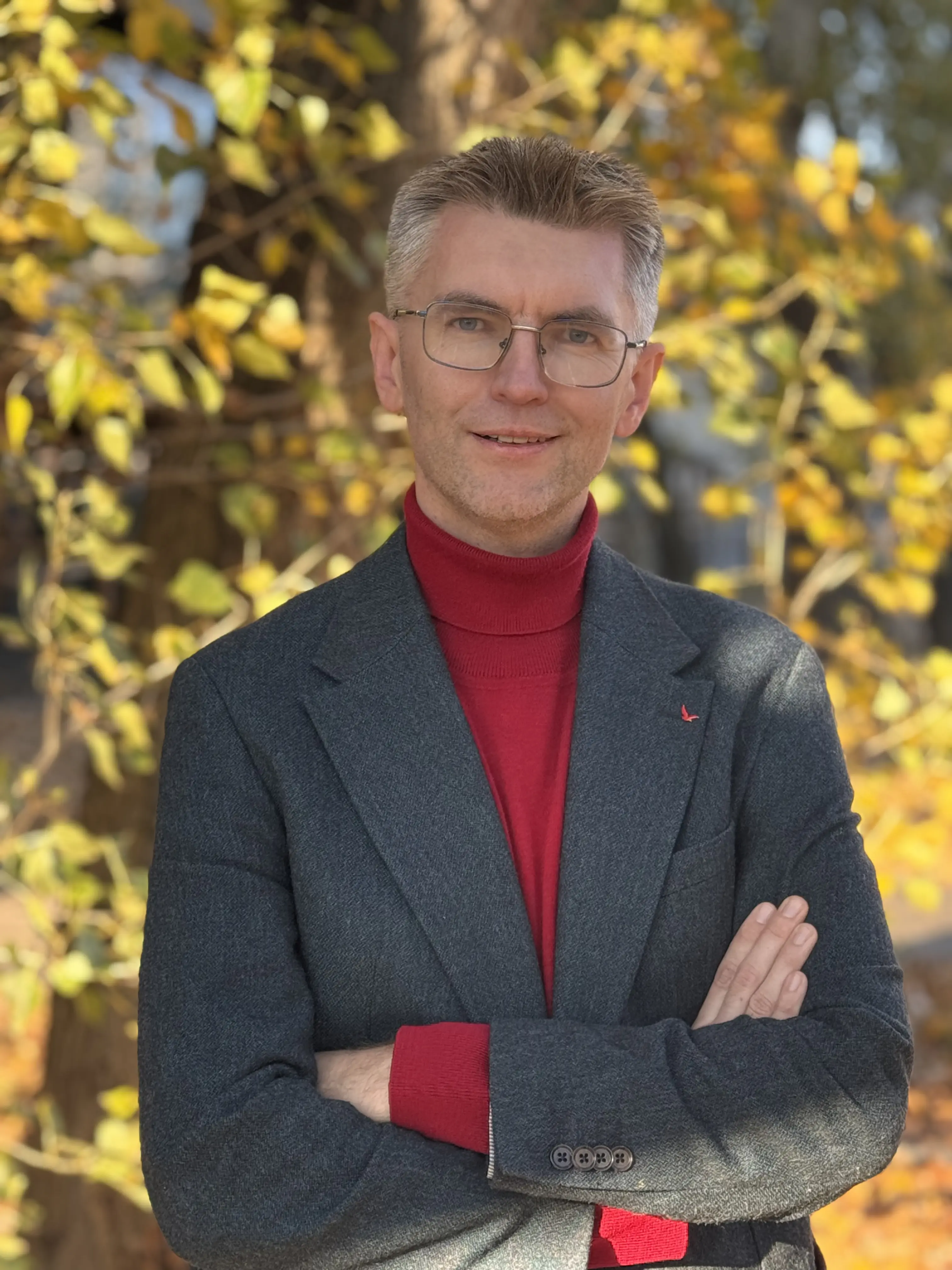


Prof. Przemysław Biecek is a model scientist specializing in interactive exploration and analysis of artificial intelligence. He leads research at the intersection of computational statistics and computer science, developing models and tools for model red-teaming, auditing, and validation-oriented eXplainable AI
TEAM
RED-XAI: Verification, exploration and control
We focus on developing innovative methods and tools to improve the explainability, reliability, and controllability of multimodal AI systems. Our goal is to challenge the status quo in the formal analysis, exploration, and testing of foundation models that integrate diverse data types—including text, images, and structured data.
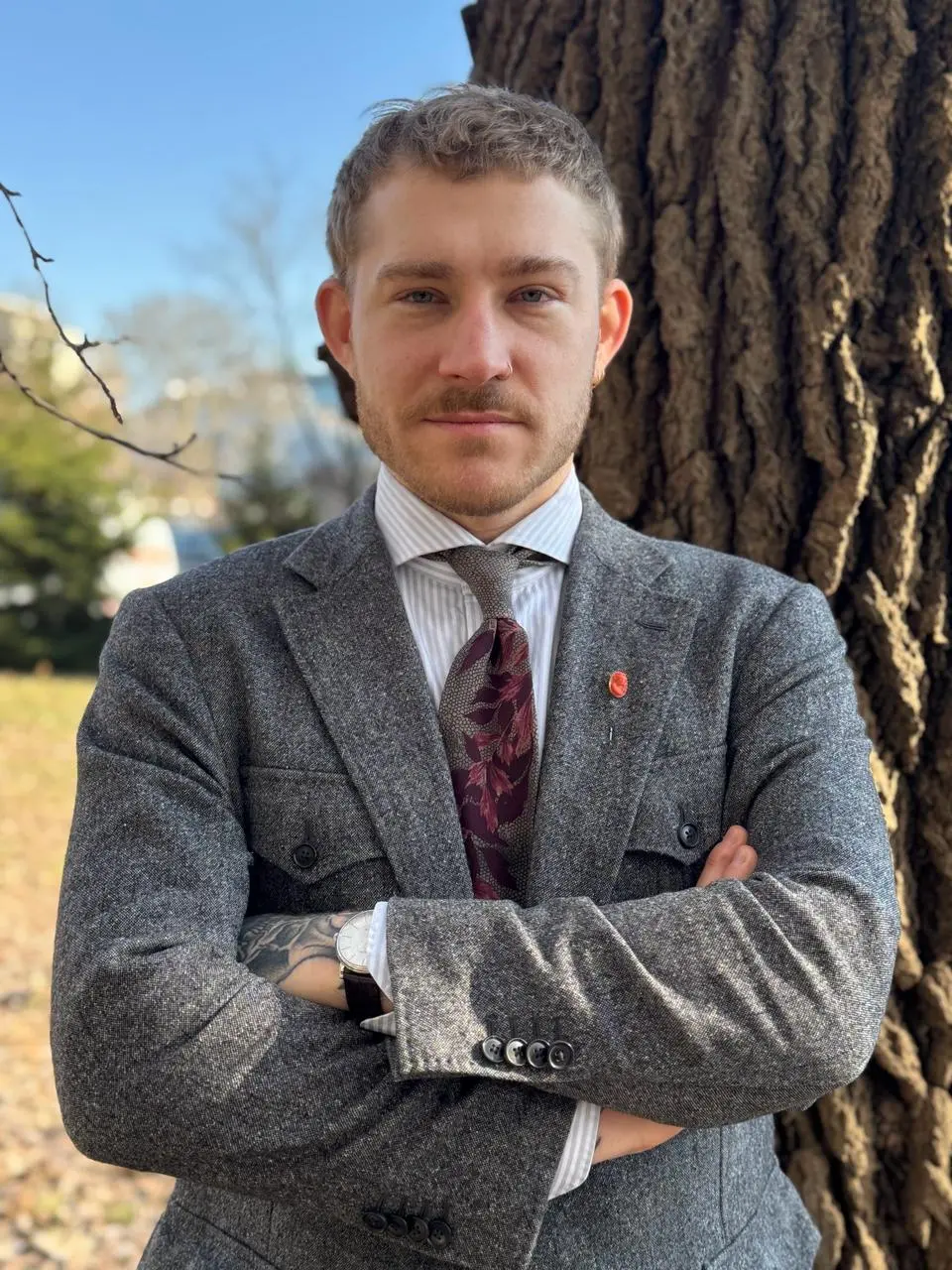
Dr. Tomasz Steifer is a researcher working at the interface of machine learning, artificial intelligence, and theoretical computer science. He investigates the fundamental capabilities and limitations of modern ML/AI architectures, developing mathematically grounded frameworks that explain when these systems can learn, where they must fail, and how to design models that are more powerful, controllable, and predictable.
TEAM
BLUE-XAI: Human-centered explainable AI
We focus on assessing the trustworthiness and societal impact of large language models (LLMs) and other AI systems in human-facing applications. Our goal is to advance human-centered XAI by developing methods to evaluate user trust, define ethical requirements, and design interactions that foster transparency, accountability, and cognitive alignment between intelligent systems and their users.
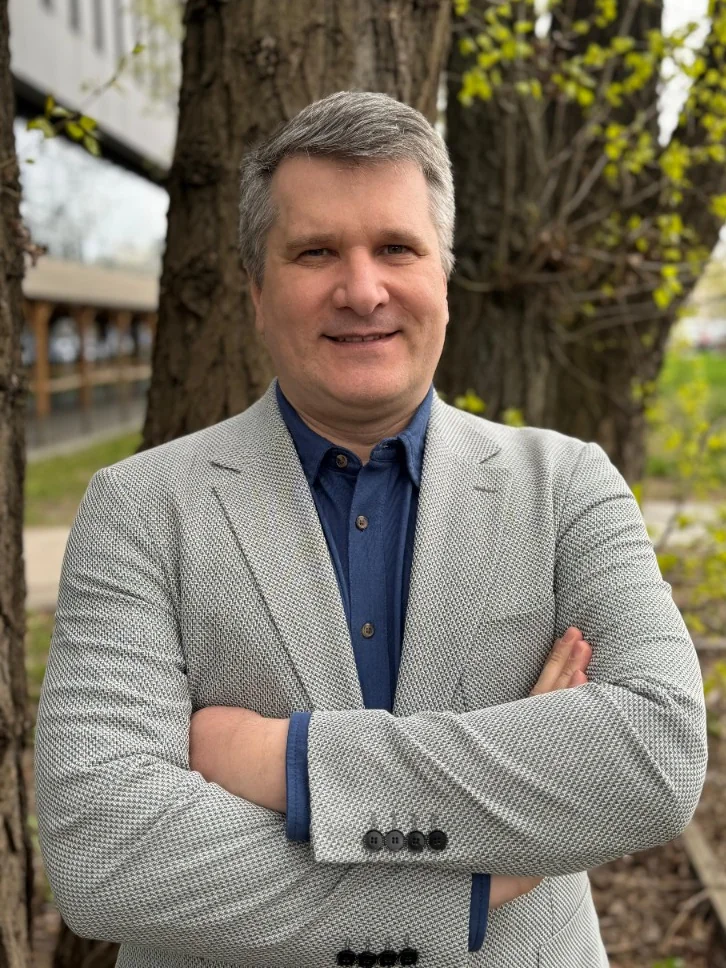
Dr. Damian Wójtowicz is a researcher bridging computer science and molecular biology, specializing in mathematical, computational, and machine learning methods to decode the mechanisms underlying human health and disease. His research integrates genomic and molecular data to reveal how DNA damage and repair processes, genomic variations, and non-canonical DNA structures shape cancer development, providing interpretable insights that may inform future therapeutic approaches.
TEAM
BIO-XAI: Explainable AI for Life Sciences
We focus on developing explainable AI methods tailored to the needs of life sciences, with particular emphasis on genomics and molecular modeling. Our goal is to unlock new scientific insights by combining structural genomics, generative AI, and explainable machine learning, enabling biologically grounded analysis of high-dimensional data.
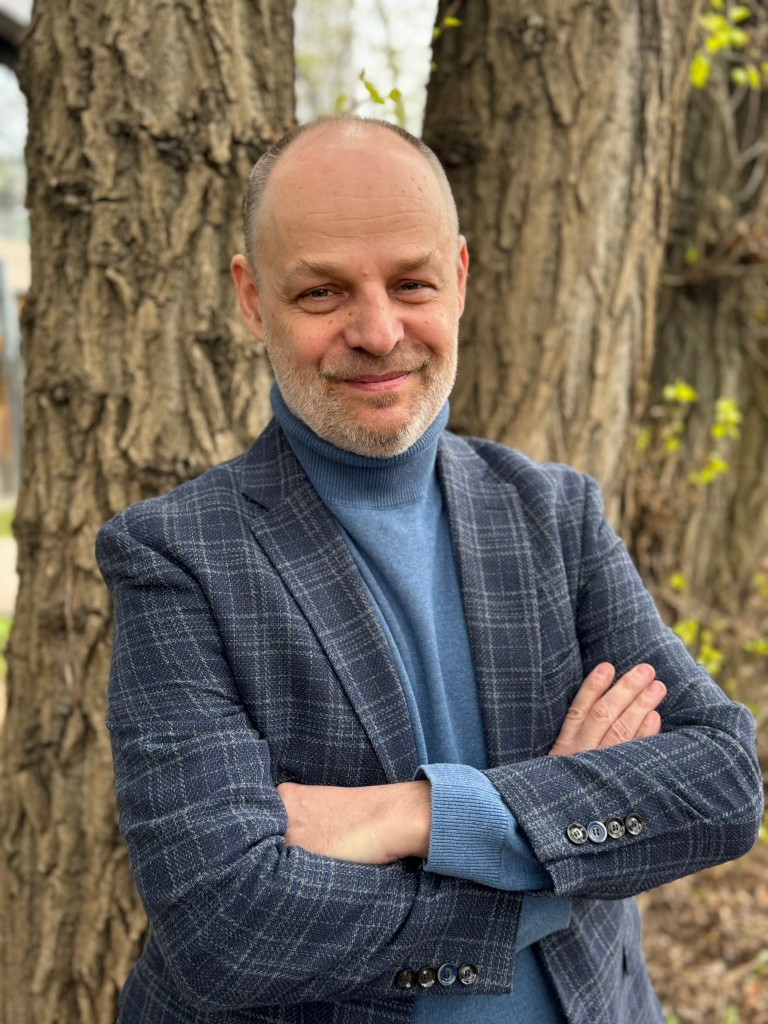
Prof. Julian Sienkiewicz
Team Leader
COMPLEXITY
SOCIOPHYSICS
PINNS
Prof. Julian Sienkiewicz is a physicist specializing in complexity science, with a focus on modelling online social behavior through statistical physics and agent-based approaches. His work explores how concepts from physics can inspire new machine learning methods, and how ML and NLP can advance research in complex systems.
TEAM
PHYS-XAI: Physics-aligned explainable AI
We focus on developing AI systems whose behavior is reliable, and consistent with known physical laws. Our goal is to advance physics-aligned XAI by creating methods that assess whether model predictions respect fundamental principles—such as symmetry constraints or system dynamics—ensuring that AI remains grounded in the structure of the real world, especially in scientific and engineering applications.
Collaboration and Partnerships
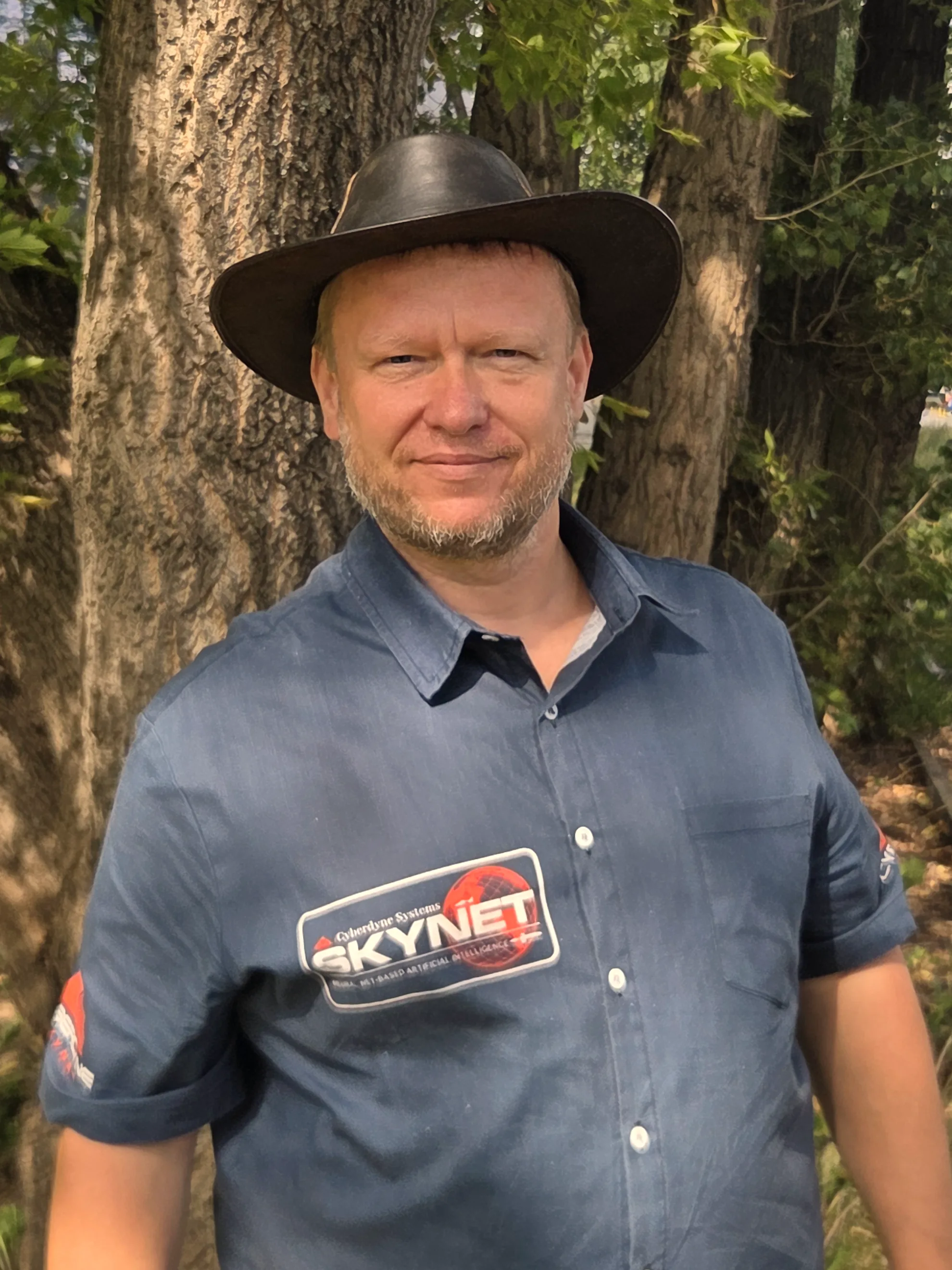
Dr. Piotr Biczyk connects companies with the research groups inside the Centre. He works with organisations facing a problem that an off-the-shelf model does not solve, turns it into a research question, and matches it to the group whose methods fit. He stays with the work from the first conversation through to a running collaboration.
Mission
Research that does not stop at publication
The methods built here for interpretability, auditing and validation matter most where decisions are actually made, so the Centre keeps a direct route between the people who build them and the organisations that need them. We seek out collaborations, share the methods and tools we build with the people who can use them, and follow our own ideas out of the Centre when they are ready to become products or spin-offs.
Focus Leaders
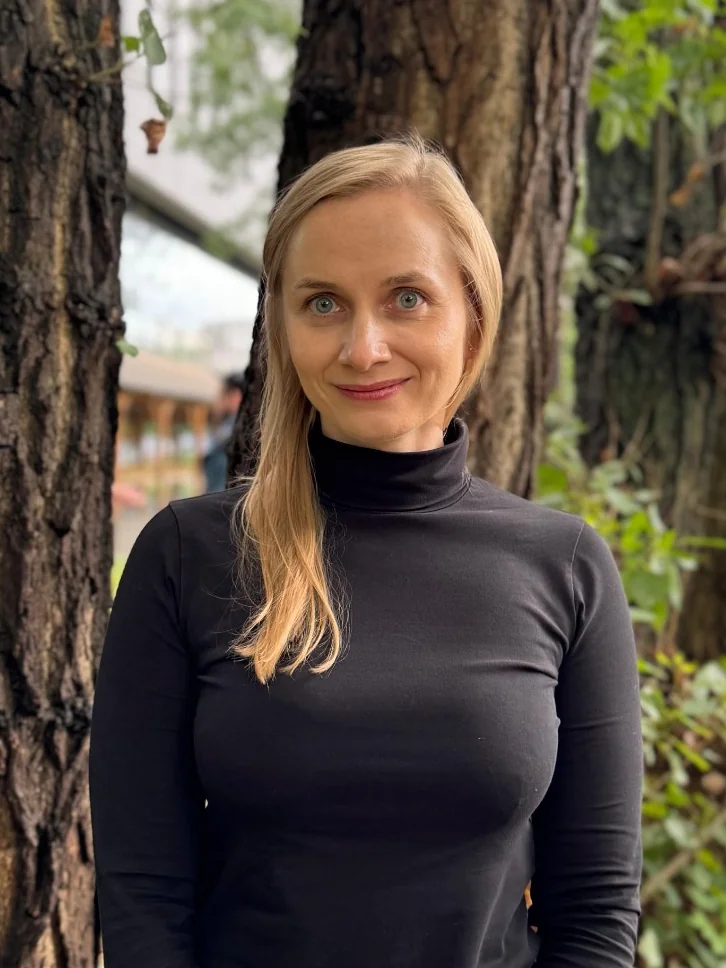
Dr. Agata M. Wijata
Earth Observation and Space AI
Developing trustworthy and transferable AI solutions for Earth observation, hyperspectral imaging, and multi-sensor spatial data analysis. Focusing on satellite remote sensing, environmental monitoring, and robust multimodal computer vision models for real‑world impact.
earth observation
satellite imagery
hyperspectral data
spatial analytics
remote sensing
onboard autonomy

Dr. Kamil Książek
Foundations of Vision and Multimodal Models
Making complex vision foundation models explainable. Transforming multimodal medical data across video, time series and tabular data into tools supporting clinical decisions. Leveraging object detection, pose estimation, and emotion recognition for deep behavioral and physical analysis.
vision foundation models
medical data
multimodal systems
object detection
model pruning
digital biomarkers
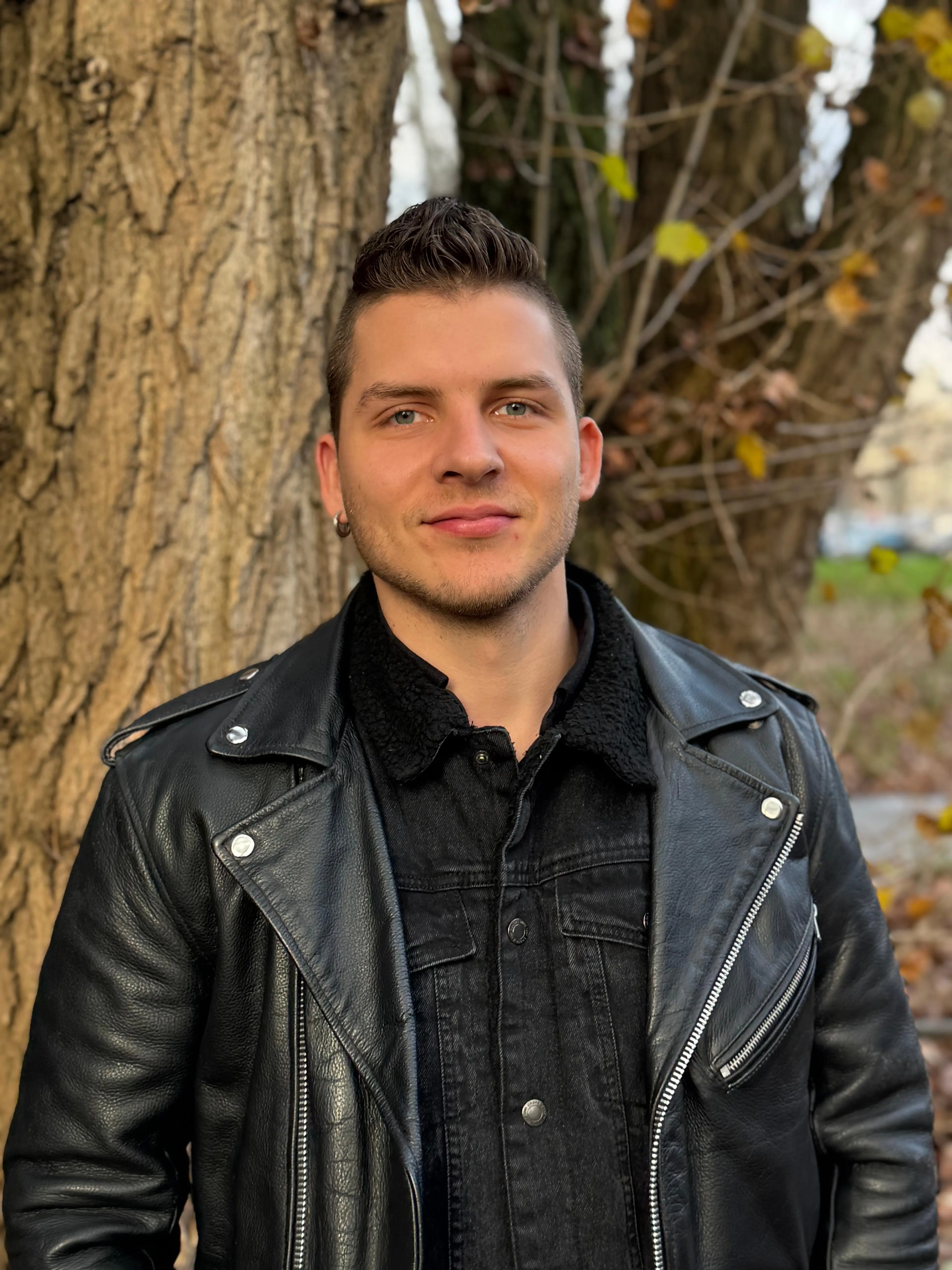
Bartek Sobieski
Generative Interpretability of Vision Models
Approximate sampling from the true data distribution paves new ways for explaining complex black-box behaviors using synthetic in-distribution samples. Combining the recent advances in generative modeling with domain expertise allows for specialized, causal audits that reveal previously inaccessible insights.
diffusion models
synthetic data
attributions
causal audits
medical imaging
counterfactual explanations
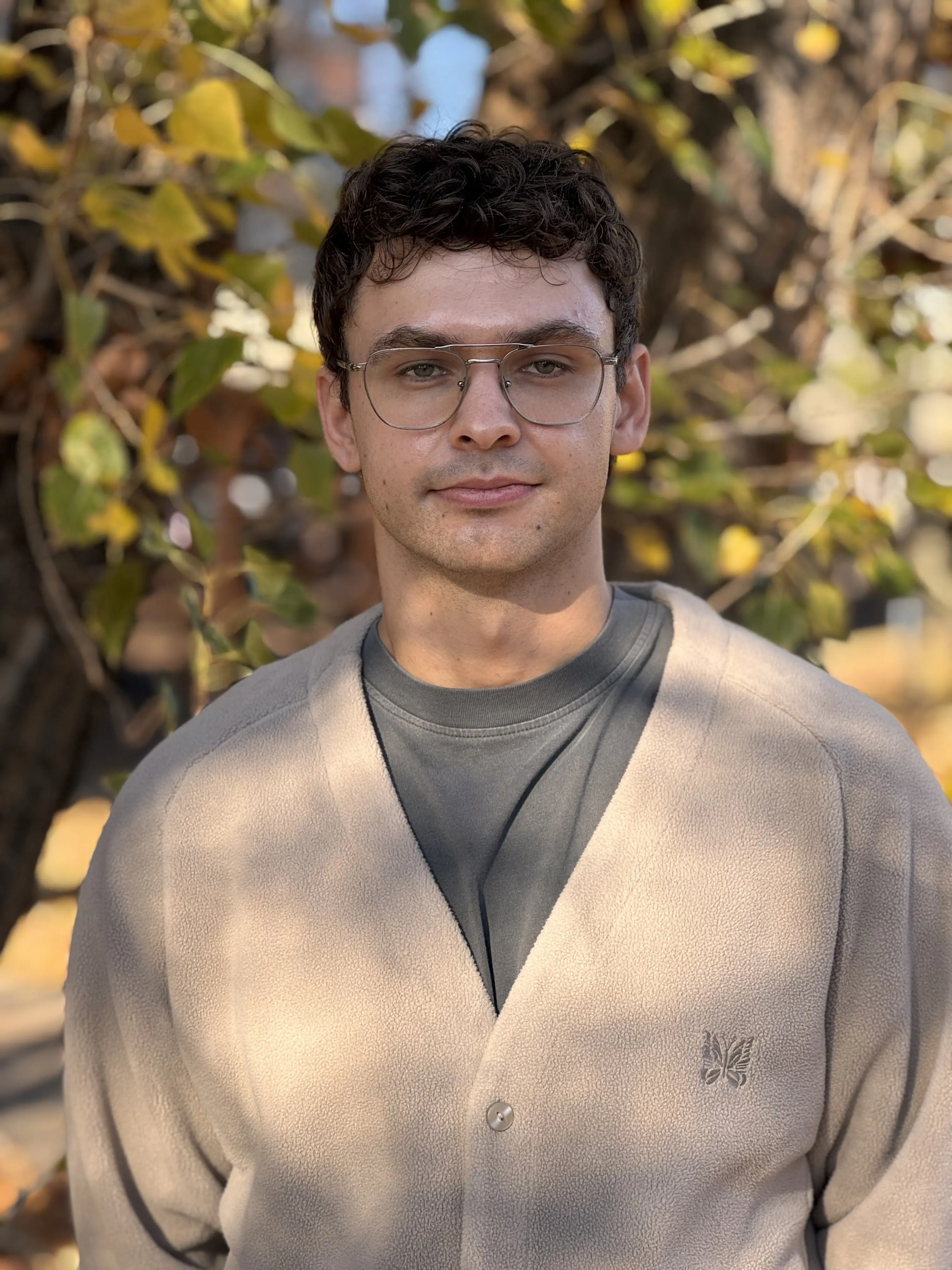
Vladimir Zaigrajew
Mechanistic Interpretability of Vision-Language Models
Uncovering hidden knowledge and decision‑making within deep learning models through concept-based explanations. Identifying human‑understandable concepts in internal representations reveals how vision-language foundation models learn and reason, keeping them aligned and safe.
mechanistic interpretability
representation learning
concept-based explanations
vision-language foundation models
Researchers

Prof. Jacek Tabor
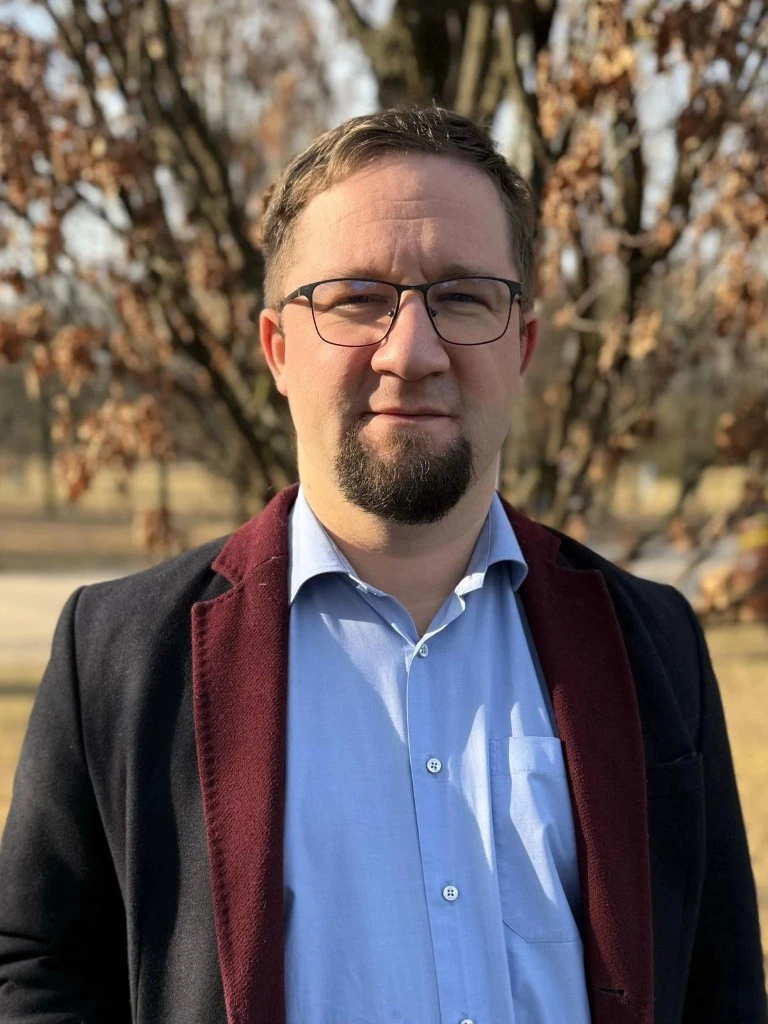
Dr. Bartosz Naskręcki

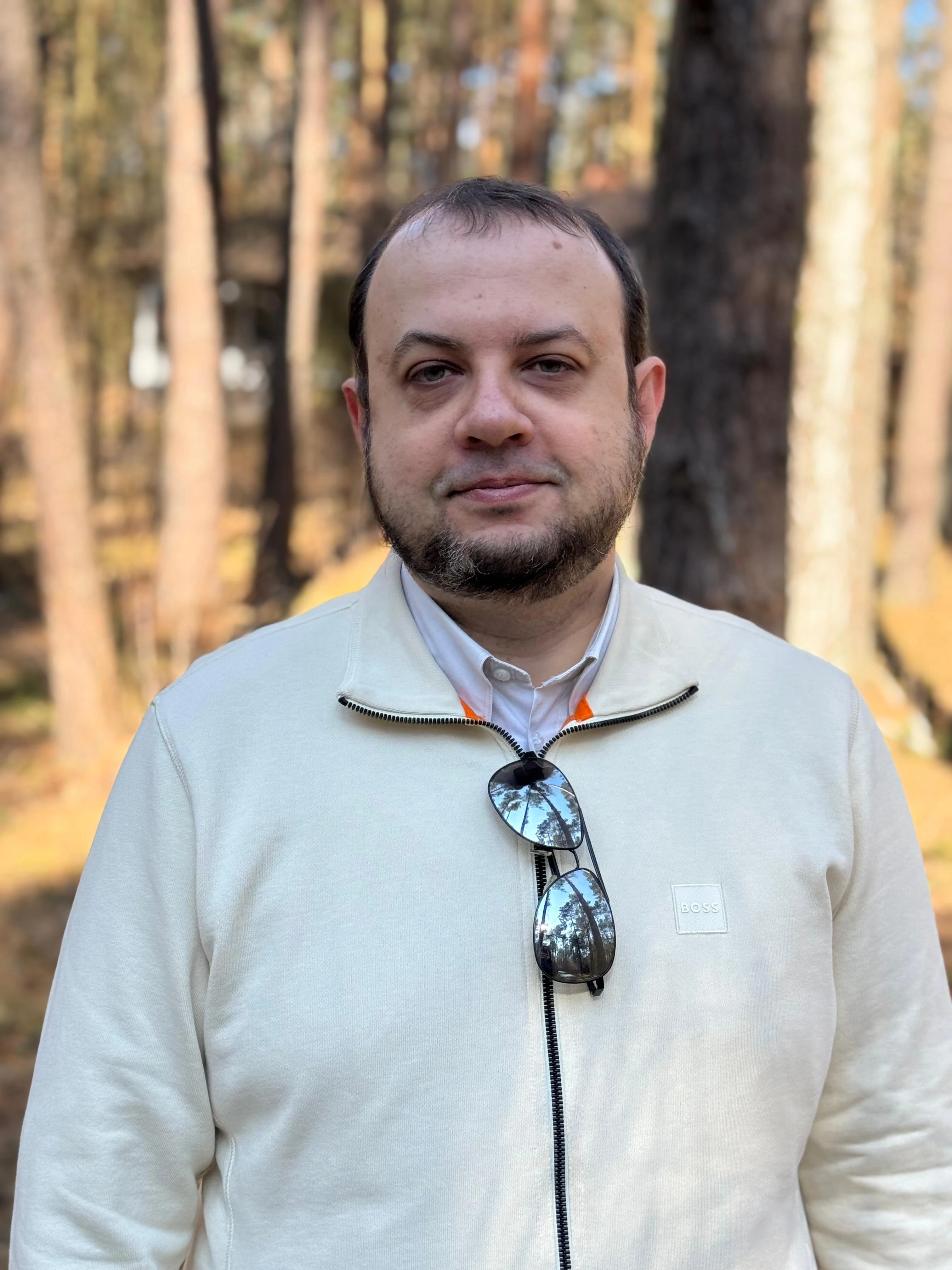
Dr. Maciej Świechowski


Collaborators
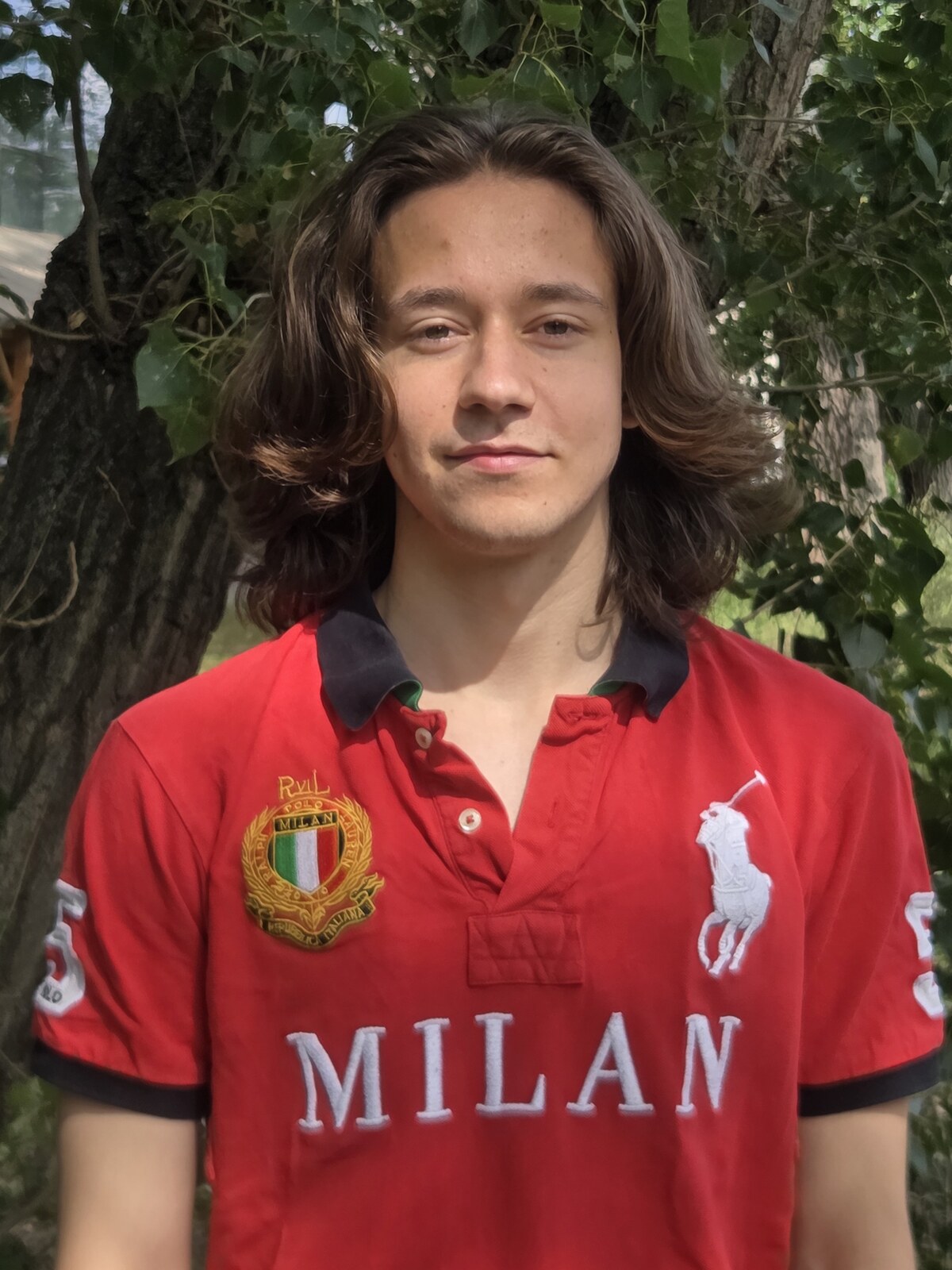
Administration
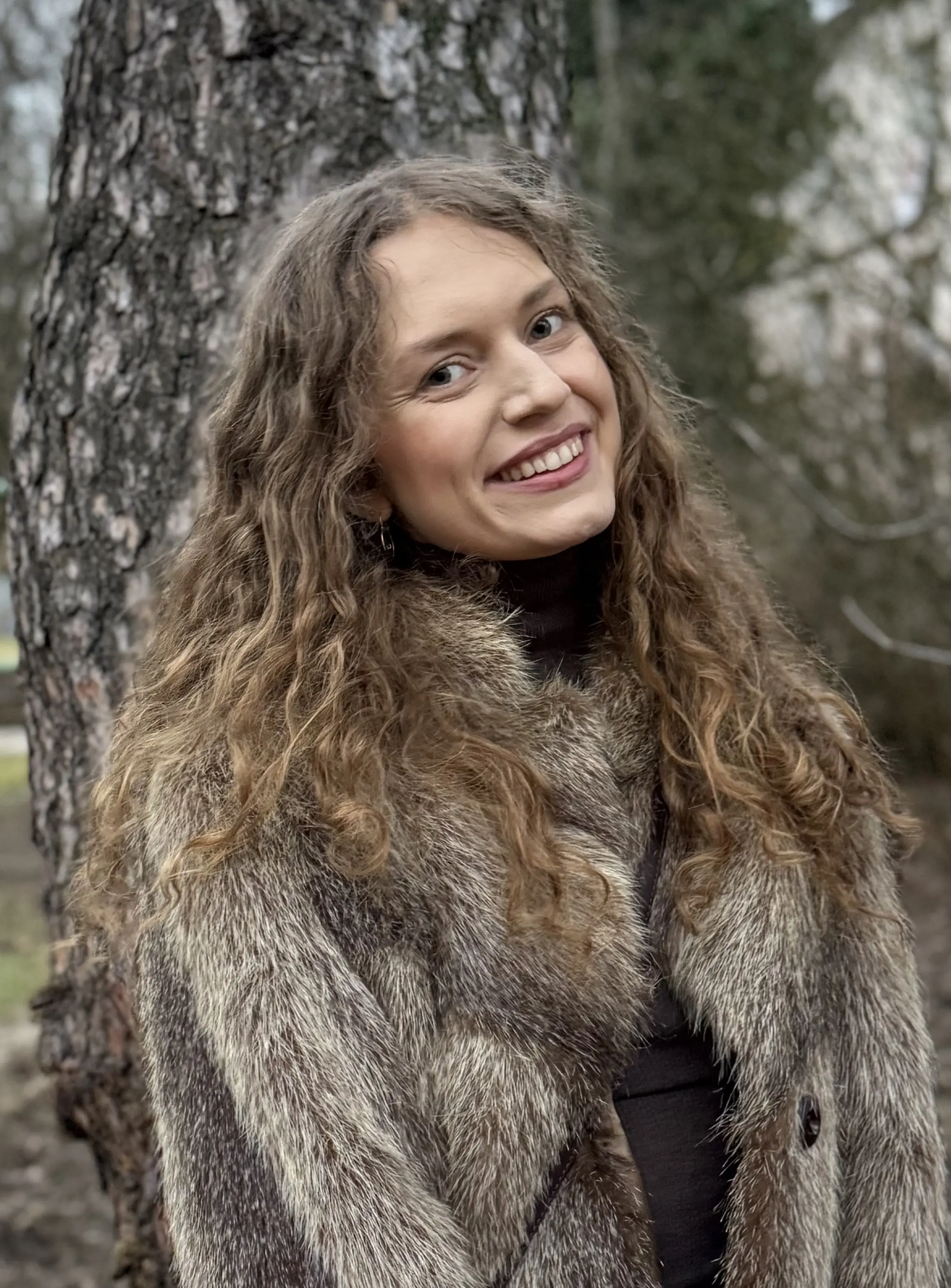

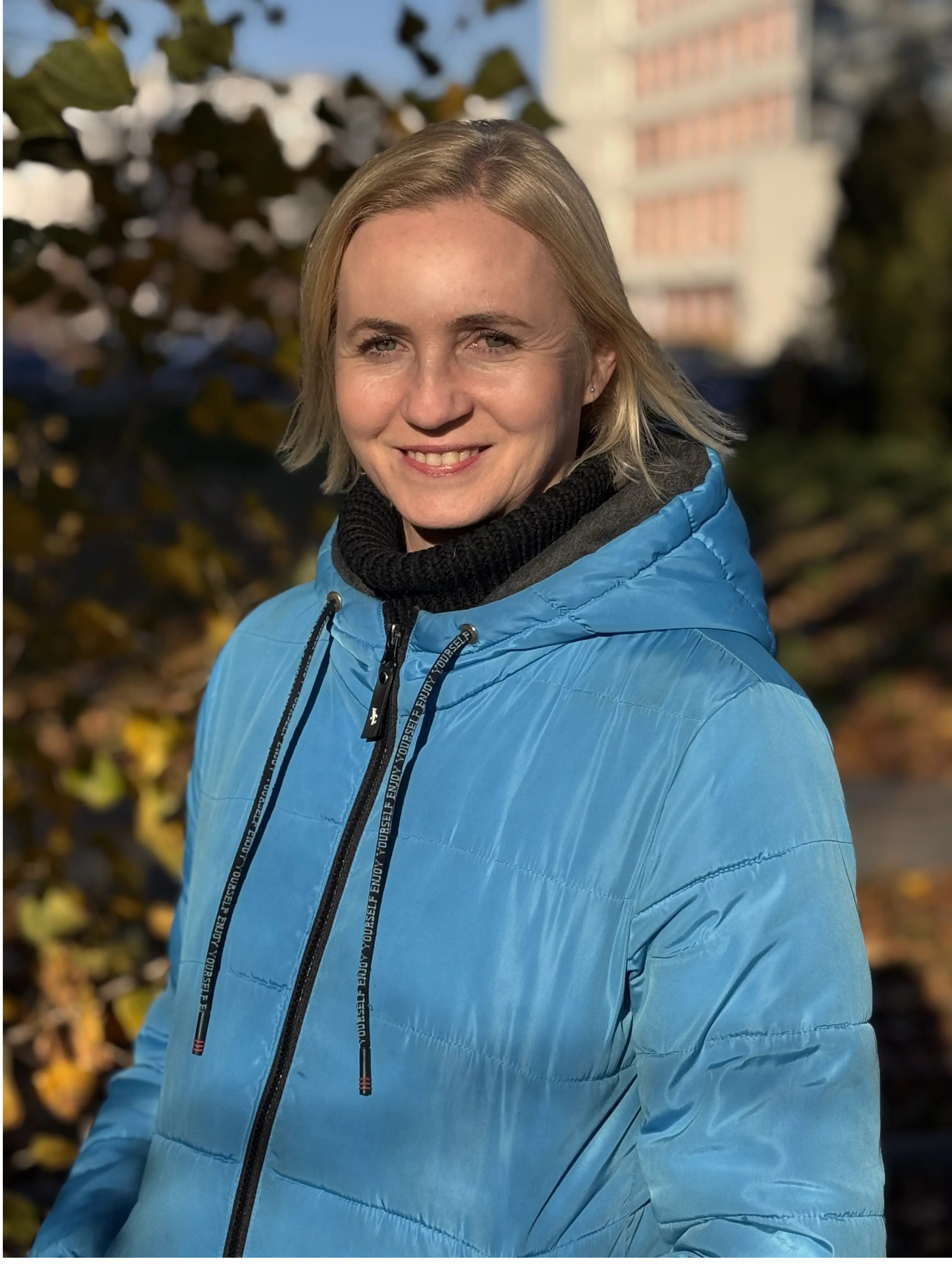
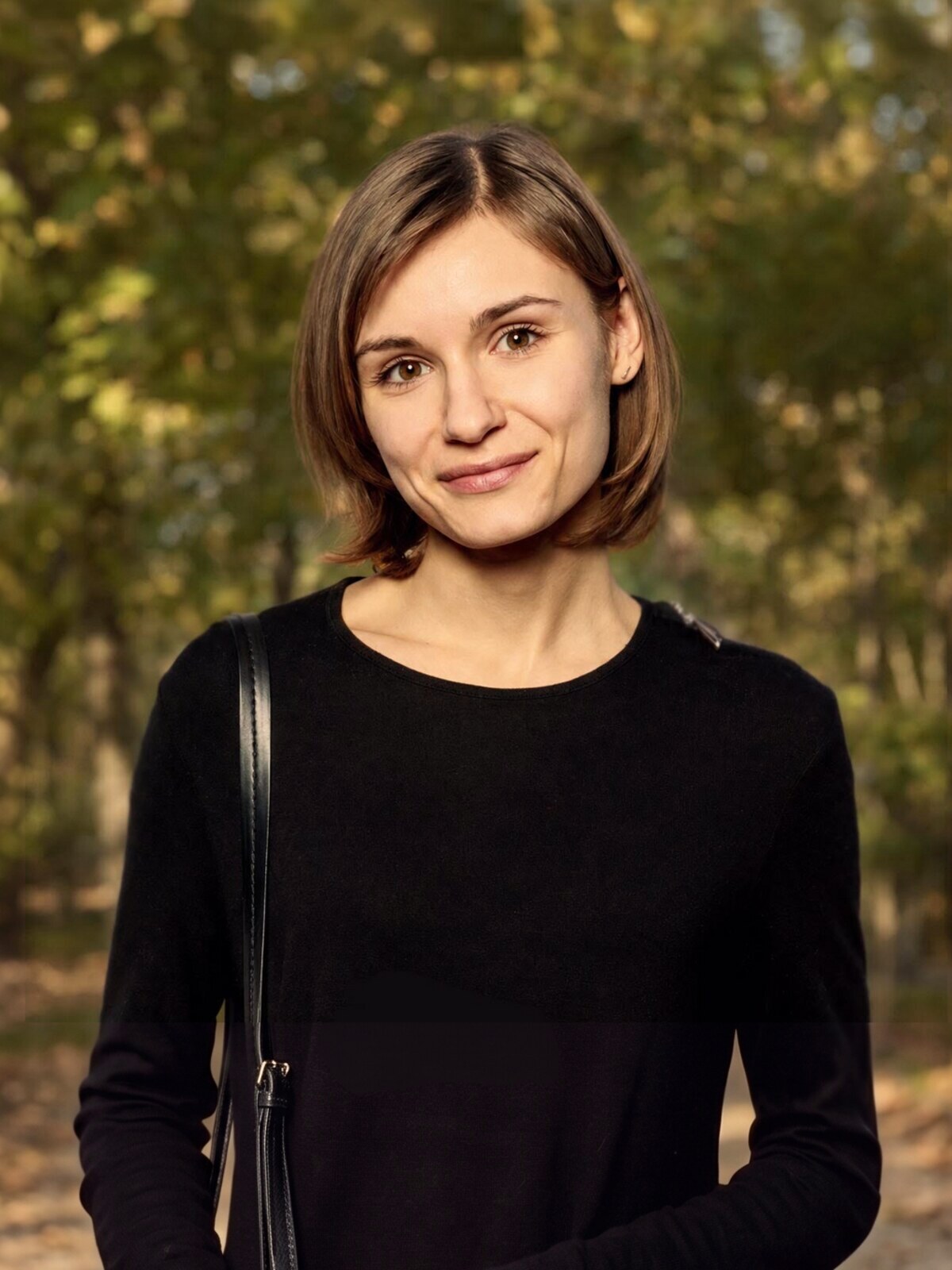
Alumni
Dr. Klara Baś
Dr. Maciej Szymkowski
Bartosz Kochański
our partners
We build cross-institutional connections.